



A logo is not enough: how a brand guideline protects your company’s identity
Many companies invest significant time and resources in creating a professional logo. They carefully choose colors, fonts, and a visual style that best represents their business. Once the logo is finished and the website is published, it often feels as though the branding work is complete.
The truth is, that’s when it has only just begun.
As a business grows, its brand starts appearing in more and more places. Advertising campaigns, social media posts, presentations, catalogs, packaging, and various marketing materials all become part of the brand’s presence. Different people and external partners become involved, each with their own way of working and creative perspective.
This is where one of the biggest challenges for many companies arises.
How can you ensure your brand looks consistent everywhere?
The answer is a brand guideline.
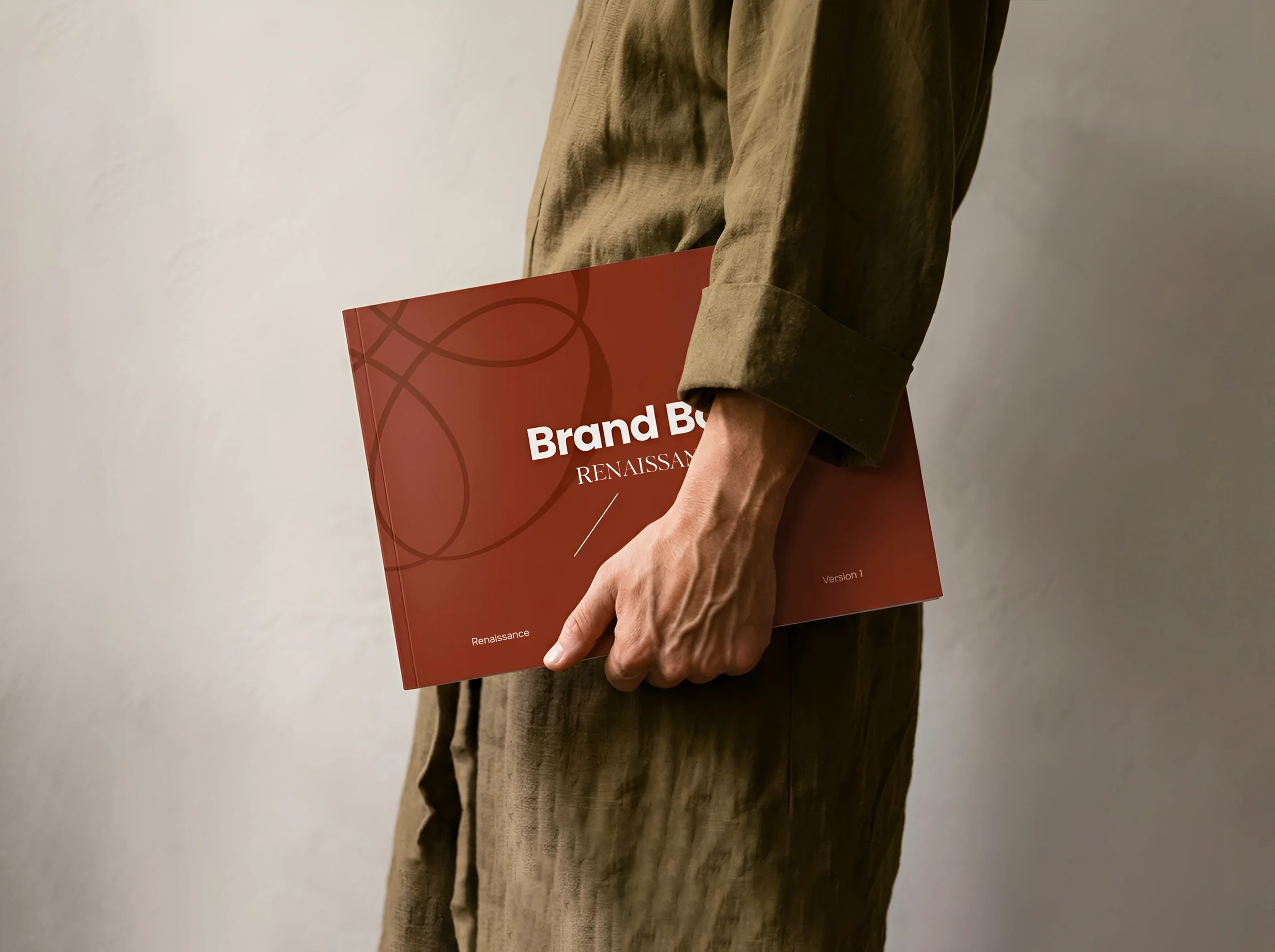
A brand guideline is a document that brings together all the rules for a company’s visual identity and communication. It helps everyone working with the brand follow the same direction and maintain consistency across every customer touchpoint.
Why is consistency so important?
When people think about branding, they usually think about visual design.
A beautiful design is certainly important, but what truly makes a brand recognizable is consistency.
Imagine a person who looks completely different every time you see them. A different clothing style, a different hairstyle, and different behavior. You would probably find it difficult to remember them.
The same applies to brands.
People recognize repeated elements—colors, fonts, imagery, layouts, and communication style. Over time, these elements build strong associations in customers’ minds.
The more consistently a brand presents itself, the easier it becomes for people to recognize it and trust it.
It’s no coincidence that the world’s most successful companies pay enormous attention to maintaining consistency in every aspect of their communication.
What exactly is a brand guideline?
The easiest way to describe it is as a brand usage manual.
It defines how a company should look and communicate across all its channels.
Instead of allowing every designer, marketer, or external partner to interpret the brand differently, a brand guideline provides clear instructions and specific rules.
A well-developed brand guideline typically includes:
- Logo and its variations
- Brand colors
- Typography
- Visual style
- Photography and imagery
- Graphic elements
- Tone of voice
- Core messaging
- Digital applications
- Print applications
- Examples of correct and incorrect usage
Its primary purpose is to ensure that customers have the same brand experience, regardless of where they encounter it.
The hidden cost of an inconsistent brand
Many companies underestimate how much inconsistency can affect their business.
At first glance, small differences may seem insignificant. One version of the logo on Facebook. Another in presentations. A slightly different shade of the brand color in advertising materials. Different fonts on the website and in brochures.
Individually, these issues may not seem serious. Together, however, they create an impression of chaos and unprofessionalism. Customers may not always be able to identify the exact problem, but they can sense when something feels off. Strong brands appear unified. Every element works together to create a clear and recognizable identity.
A brand guideline saves time and simplifies workflows
One of its most overlooked benefits is its practical value.
Without clear guidelines, questions like these arise constantly:
- Which version of the logo should we use?
- What is the exact brand color?
- Which font has been approved?
- How should our social media posts look?
- What type of imagery fits the brand?
When all these answers are documented in one place, work becomes much faster and more efficient. This is especially valuable when external specialists or multiple teams are involved.
What should a good brand guideline include?
Clear logo usage rules
The logo is one of the company’s most valuable assets. That’s why it should be clearly defined how it can—and cannot—be used. Best practices include minimum sizes, clear space requirements, color variations, and examples of incorrect usage.
Color system
Colors are among the strongest tools for brand recognition. People often recognize a brand by its colors before they even notice its logo. That’s why colors should be clearly defined for both digital and print applications.
Typography
Fonts also influence how people perceive a brand. An elegant typeface creates a completely different impression from a modern, technology-focused one. That’s why it’s important to establish clear rules for headings, body text, and different types of content.
Visual style and imagery
Photography and graphics communicate just as powerfully as words. Some brands rely on minimalist, clean visuals, while others prefer a more dynamic and emotional style. Whatever approach is chosen, it should be clearly documented and applied consistently.
Tone of voice
A brand is not only what people see—it is also how it speaks. Companies should define whether their communication is formal, friendly, authoritative, or inspiring.
This helps customers build a stronger connection with the brand.
Does a small business need a brand guideline?
The short answer is yes.
In fact, many small and medium-sized businesses need one more than they realize. As a company grows, new partners, designers, marketers, and service providers become involved. Without clear guidelines, each of them may interpret the brand differently. A brand guideline provides a solid foundation that allows the business to grow without losing its identity.
The most common mistakes we see
Over the years, we’ve worked with many companies that have excellent logos and high-quality services but gradually lose their brand consistency.
The most common reasons include:
- Using outdated versions of the logo
- Different colors across different channels
- Changing fonts without a clear reason
- Inconsistencies between the website and social media
- Different communication styles across campaigns
Individually, these mistakes may seem minor. Over time, however, they weaken the brand and reduce its recognizability.
A brand guideline is an investment in the future
Many companies view a brand guideline as an optional document that isn’t truly necessary.
In practice, the opposite is true. It protects every future investment in marketing, advertising, web design, packaging, and communication. The more clearly a brand’s rules are defined, the easier it becomes for the company to grow while maintaining a strong and consistent market presence.
A logo is an important part of every brand, but it is only the beginning.
What transforms a business into a recognizable and memorable brand is consistency.
A brand guideline provides the framework that helps a company present itself professionally, communicate clearly, and build trust at every customer touchpoint.
Whether you’re just starting to build your brand or growing an established business, investing in a well-structured brand guideline is one of the smartest decisions you can make.
Because people rarely remember the brands with the most complex logos. They remember the ones that are consistent every single time they encounter them.


